
Chiropractic for athletes in Moore, OK
Most of the athletes we treat are teenagers and younger kids still figuring out how to train hard without breaking down. Hands-on care helps active bodies absorb the load their sport demands, from Friday night lights to weekend tournaments.
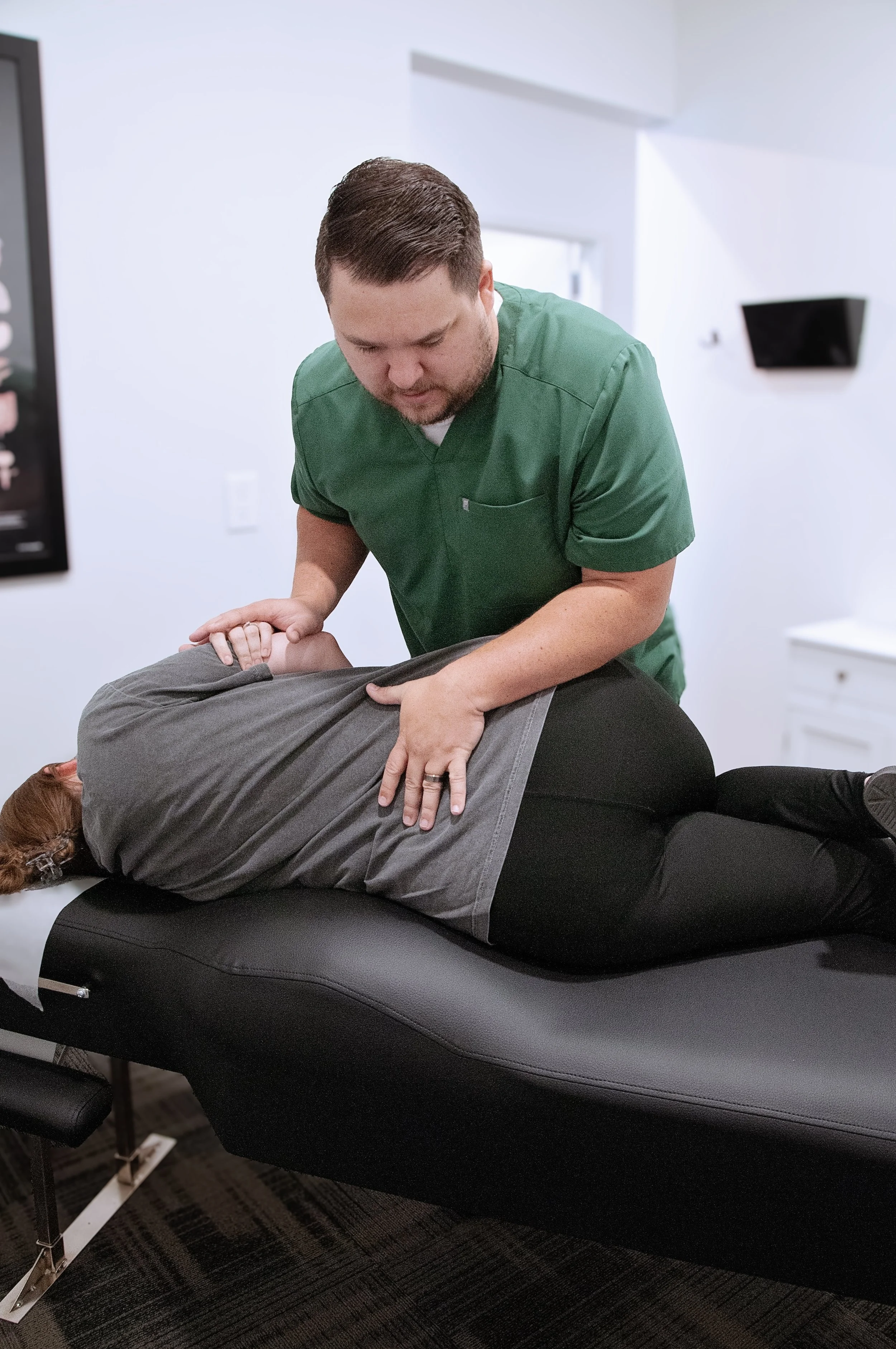
On the ground with athletes
Where do the athletes we treat come from?
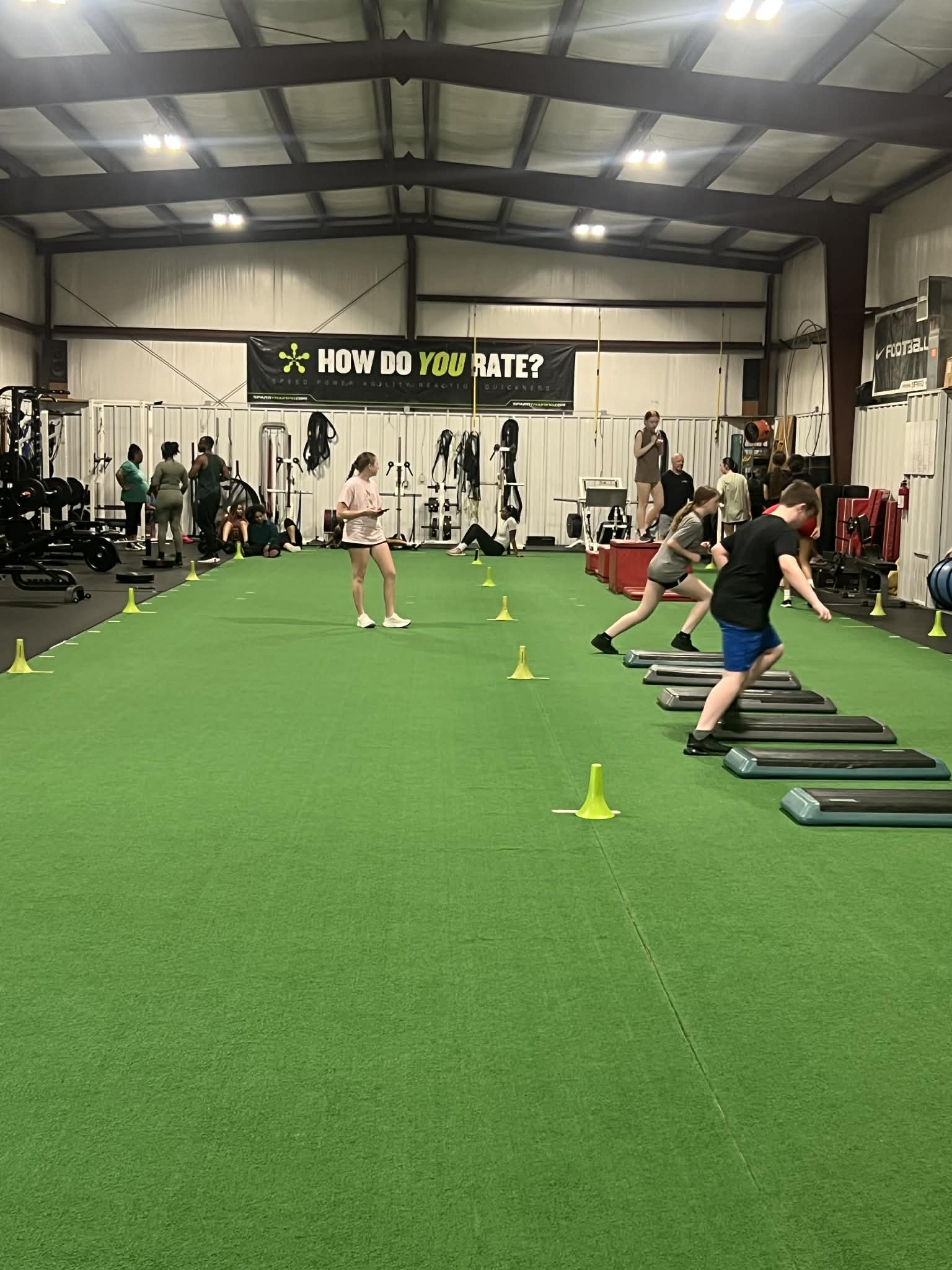
A lot of them, we see at practice. Dr. Edwards partners with a sports training facility up in Edmond and heads there a couple of times a week to work on the athletes training on the floor. Being in the room while they move tells us things an exam table cannot.
Most of those athletes play baseball, softball, or volleyball, with some soccer and football mixed in. They are young, competitive, and training year-round, which shapes both the injuries they pick up and how we help them recover.

What we see most
What injuries do young athletes deal with most?
Athletes rarely come in because of one dramatic moment. They come in because something small stopped resolving on its own.
Sprains and strains
Most of what we see is soft-tissue: the ligaments, tendons, and muscles that get overstretched in a single bad step or a hard landing. These respond well to hands-on care once we know exactly what was hurt.
Worn-down extremities
Shoulders, wrists, knees, and ankles take the brunt of athletic load. A joint that has been compensating for weeks often complains long before the athlete connects it to their sport.
Overuse from one sport
Kids who play a single sport year-round train the same muscles on repeat. That builds skill, but it also loads the same tissues over and over, which is where a lot of nagging injuries start.
The single-sport trap
Should a young athlete specialize in one sport?
“You don’t want to specialize in one sport when you’re little. You want to play as many as you can.”
Dr. Jake Edwards
Playing one sport all year is great for skill, but it loads the same muscles on repeat while neglecting the ones other sports rely on. That imbalance is where a lot of overuse injuries begin.
Playing several sports works different muscle groups and builds a more complete athlete. As Dr. Edwards puts it, that variety eventually helps when a kid does decide to focus on one thing.
Throwing and overhead sports
Why do throwing sports hurt the shoulder and elbow?
Throwing a baseball, spiking a volleyball, and the overhead load of football all funnel stress into the shoulder and elbow. On the shoulder side, that shows up as rotator cuff trouble, meaning the group of muscles that steady the joint gets irritated from the repeated motion.
The elbow is where it gets serious. You see UCL injuries (the ulnar collateral ligament, the band that stabilizes the inner elbow) all the way up in the major leagues, where a tear means Tommy John surgery. It happens because of the strain of cocking the arm back into external rotation and then whipping it forward fast. The biceps and triceps attach there, the flexor and extensor muscles of the forearm cross it, and the ligaments hold it all together.
Dr. Edwards compares it to an assembly-line worker repeating the same motion all day: the same spot takes the strain every time, and the wear adds up. Throwing curveballs too young or piling on pitches that load the elbow only speeds that up. We use stretching, strengthening, and hands-on care to settle the irritated tissue and take pressure off the joint.
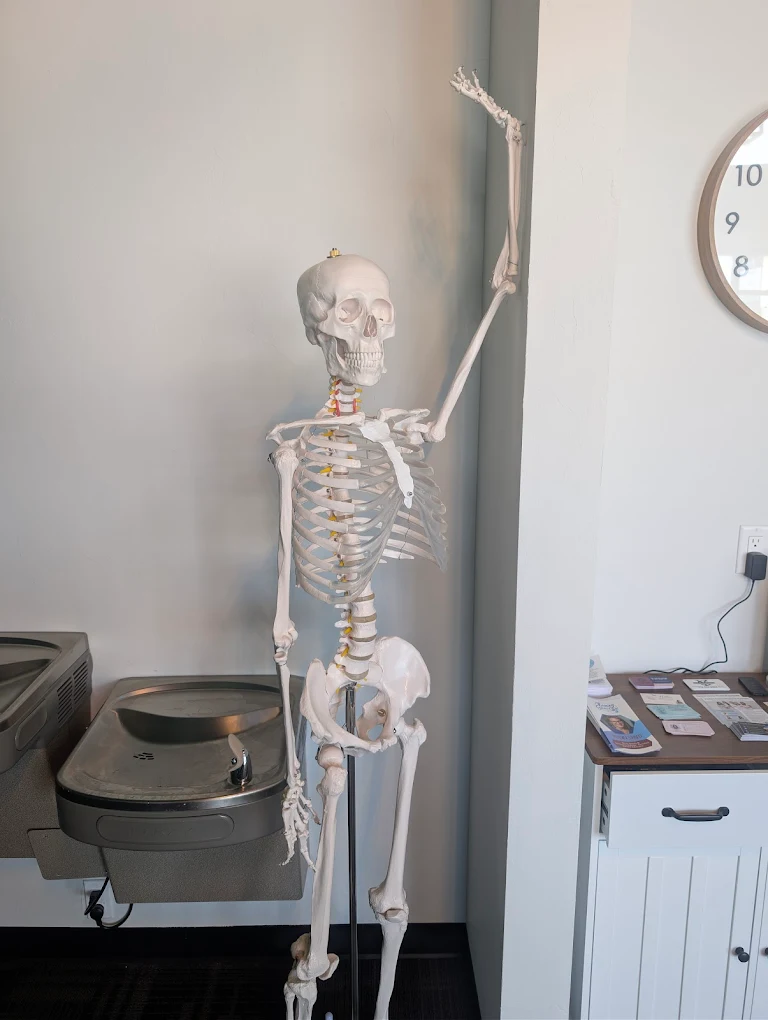
Contact sports
What about contact-sport injuries like whiplash and stingers?
Football is one of the hardest-hitting sports we play, and a lot of the damage traces back to one thing: form. Leading a tackle with the head instead of the shoulder changes everything.
Neck compression
Leading a tackle with the head instead of the shoulder drives force straight down through the neck. That compression squeezes the joints in the front of the spine and can irritate the nerves running through them.
Whiplash
Whiplash is not only a car-wreck injury. When a hit snaps the head back and forward too fast, that quick acceleration and deceleration strains the joints and ligaments of the neck the same way.
Stingers
A stinger is the burning, numb, tingly feeling that shoots down the shoulder and arm after a collision. It usually traces back to that same neck compression pinching a nerve.
Whiplash from a tackle and whiplash from a collision behave the same way. See how we handle whiplash after a car accident.
Recover faster, get hurt less
How can athletes prevent these injuries?
“If we do things with good posture and a good foundation with our feet, we’re not going to be as susceptible to injuring ourselves.”
Dr. Jake Edwards
The same protocols that help an athlete recover also help keep the injury from coming back. We teach stretching and strengthening for the areas a sport overloads, then build the base underneath it: steady posture and a stable foundation through the feet, so explosive movements land safely.
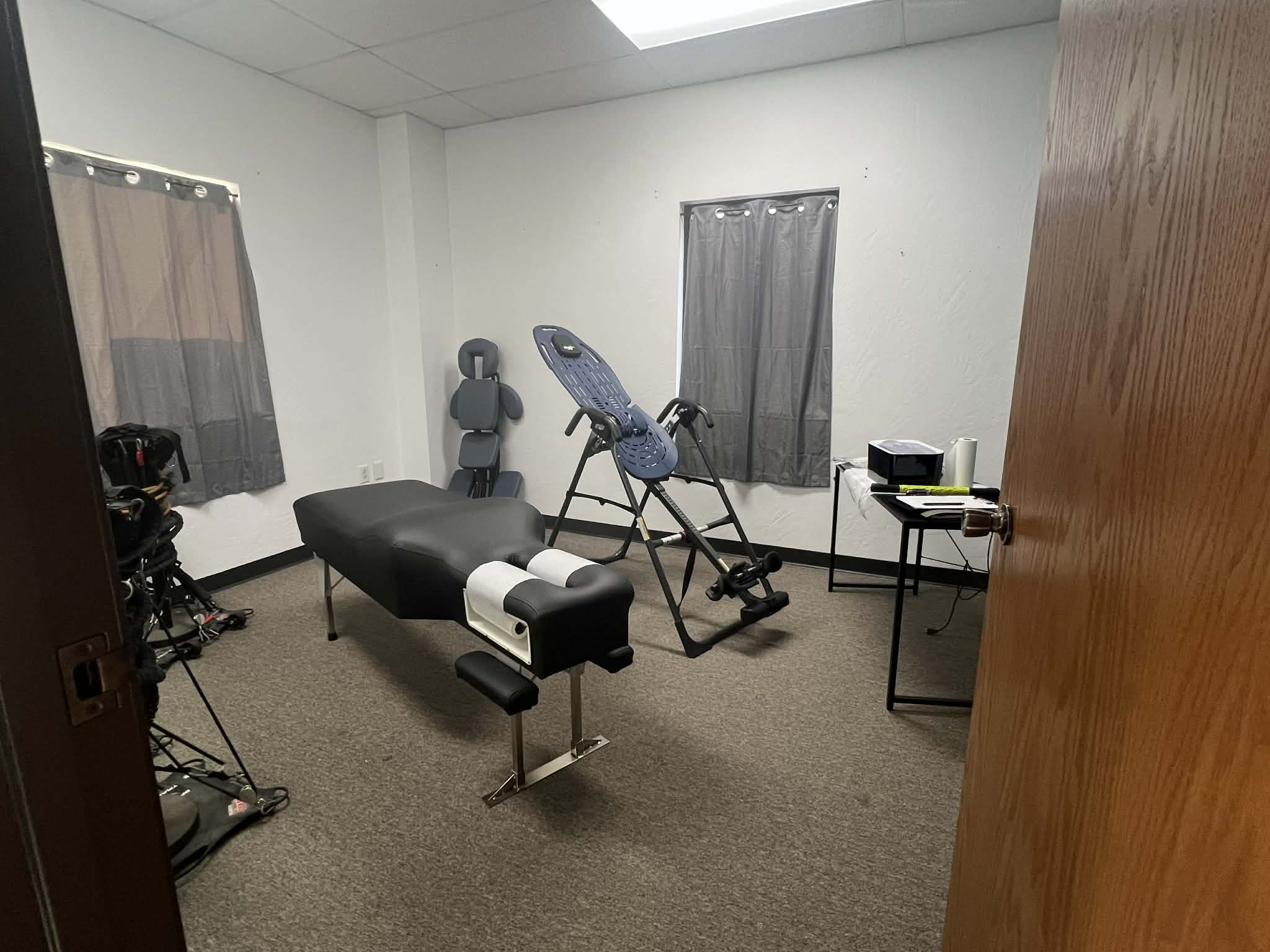
When Dr. Edwards is at the training facility, that work happens on-site in a dedicated treatment space, so an athlete can get checked without losing a training day.

Acute vs preventative
How often should an athlete get adjusted?
After an acute injury
For something you can point to, like an ankle sprain or a stinger, plan on at least a couple of visits a week at the start so we can get the area moving again.
For prevention
Steady, preventative care runs anywhere from weekly to monthly depending on age, sport, and training load. For most athletes, a couple of times a month keeps the vulnerable areas in good shape.
One thing worth knowing: the injury you can point to is not always the cause. Often a hit or a throw simply aggravated something that was already there, which is exactly what an exam is built to find.
No mystery
What happens at the first visit?
The same transparent process every patient gets: a real conversation, a thorough exam, and findings explained before any adjustment. If what we find belongs with a physician or physical therapist, we say so and refer you. See the full first-visit walkthrough, including pricing.
Asked and answered
Questions athletes and parents ask us
Should athletes get adjusted?
Yes, though how often depends on what is going on. An acute injury you can point to, like an ankle sprain or a stinger, calls for more frequent visits than steady preventative care does. We set the plan around the athlete in front of us, not a fixed schedule.
How often should an athlete get adjusted?
For an acute injury, expect at least a couple of visits a week to start, so we can get the area moving again. For preventative care, it ranges from once a week to once a month depending on age, sport, and how much the athlete trains. For most athletes, a couple of times a month is a good way to keep the commonly injured areas in good shape.
What sports injuries do you treat most?
Mostly soft-tissue strains and sprains and overuse injuries in the extremities: shoulders, wrists, knees, and ankles. We see a lot of baseball, softball, and volleyball athletes, along with soccer and football players. Throwing and overhead sports bring in the most shoulder and elbow concerns.
Is chiropractic safe for teenagers and younger kids?
Yes. Most of the athletes we treat are teens and younger kids, and the assessment and technique are matched to the athlete’s age and size. We explain everything before we do it, and we refer out when something belongs with a physician or physical therapist.
My athlete plays one sport year-round. Is that a problem?
It can raise the risk of overuse injuries, because the same muscles and joints get loaded over and over. Dr. Edwards encourages younger athletes to play several sports rather than specialize early. Different sports build different muscle groups, which actually helps once an athlete does decide to focus on one.
Can chiropractic help prevent injuries, not just treat them?
Yes. Alongside treating injuries, we work on posture, a stable foundation through the feet, and stretching and strengthening, so the body is less likely to get hurt during explosive movements. The goal is to help athletes recover faster and lower the chance of the injury happening again.
What should I do right after an acute injury?
Get it looked at. Sometimes the injury you can point to is not the whole story, and a hit or a throw simply aggravated something that was already there. An exam sorts out what is actually going on so the plan fits the problem.
Get back to your sport
Tell us what your body is supposed to be doing, and we will help you work back toward it. Same-day and next-day visits available in most cases.
$149 new patient offer: 2 visits including consultation, exam, and on-site X-rays.